
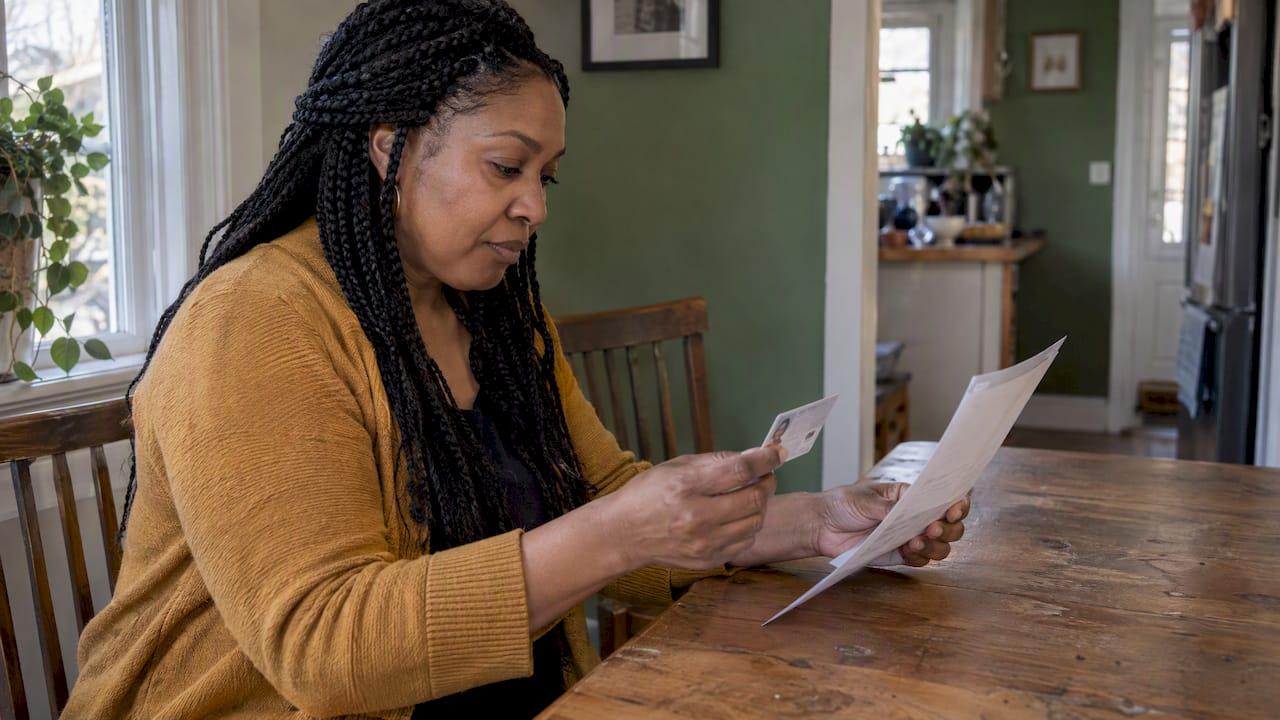
Account verification at a sweepstakes gaming site is a identity check. The site confirms that you are a real adult, that you are who you say you are, and that you are playing from a place where sweepstakes play is allowed. It usually comes up before your first prize redemption, and sometimes sooner. You normally provide your legal name, date of birth, home address and email. You may also upload a photo of a government ID, and sometimes a selfie.
This guide explains what is checked and why. It covers the documents you may be asked for, the reasons a request gets delayed or rejected, and how to tell a real verification request from a scam. We run a sweepstakes-style gaming platform, so we also say how we think about it.
TL;DR
- Verification confirms your age, identity, eligibility and location. It is a standard step before prizes are paid out, not a sign that something is wrong with your account.
- Expect to give your legal name, date of birth, home address and email. A government ID photo, and sometimes a selfie with it, is common.
- Most delays come from small mismatches: a nickname instead of your legal name, a blurry photo, an old address, or a cropped document.
- Only submit documents inside the site you signed up on. Never share a code or personal details because of an unexpected text, email or call.
- Winnings can carry tax reporting. Verification details such as your name and taxpayer ID can matter later.
Table of Contents
- What account verification means on a sweepstakes site
- When you will be asked to verify
- What information and documents you may be asked for
- How to complete verification step by step
- Why verification gets delayed or rejected
- Perspective: how we see verification
- How to protect your information while verifying
- How to tell whether a sweepstakes site is legitimate
- Playing at Luckyluxe
- A short checklist before you submit documents
- FAQ
- Sources
What account verification means on a sweepstakes site
Verification is a set of checks that tie your account to a real, eligible person. A sweepstakes platform typically sells virtual Gold Coins for entertainment play and awards bonus Sweeps Coins that can be played for a chance at redeemable prizes. Once a prize with real value is involved, the operator needs to know who it is paying and whether that person is allowed to play.
The clearest public example of what such checks look like comes from regulated gaming. Illinois's internet-lottery rules, effective September 18, 2023, describe checks on a player's age, identity, eligibility, and location, including legal residence and where a purchase is made. They also allow identity-verification and geolocation software for those checks. Sweepstakes platforms are not run under that exact rule, but it shows the logic behind the process: who you are, how old you are, where you are, and whether the payment method is yours.
Three separate questions get answered:
- Are you an adult? Most US sweepstakes require you to be at least 18, and some states or promotions set the bar higher. Our guide to sweepstakes age rules explains why 18 is not always enough.
- Are you who you claim to be? This is the identity part, and it is what stops someone from collecting prizes with a stolen identity.
- Are you in an eligible location? Sweepstakes play is not offered in every state, and operators check your residence and your location while you play.
If you want the broader picture of how these checks fit together, our walkthrough of KYC for sweepstakes covers the safe steps winners use.
When you will be asked to verify
Timing differs from site to site. In general you will meet verification at one of these points:
- At sign-up. Some sites ask for basic details such as name, date of birth and email, then confirm them quietly in the background.
- Before a coin purchase. A payment-method check may happen here, since the operator wants to confirm that the card or account belongs to you.
- Before a prize redemption. This is the most common trigger and usually the most thorough. It is the point at which the operator pays out something of value.
- After an account change. A new device, a new address, a changed name or an unusual login can prompt a fresh check.
If you only play with free daily bonuses and never redeem, you may see little of the process. That is normal. Once you request a prize, plan on being asked.
What information and documents you may be asked for
The exact list is set by each operator and by the rules of its payment and compliance partners. The following items come up most often.
Basic details
One US operator's verification page lists the legal name as shown on government ID, date of birth, home address and a valid email address as the core details. It adds that a selfie with government ID may be requested. That matches what players commonly meet on sweepstakes sites too.

Use your legal name, not a nickname. "Mike" and "Michael" are the sort of difference that triggers a manual review.
Identity documents
A current, government-issued photo ID is the standard. Typical choices are a driver's license, a state ID card or a passport. The document needs to be unexpired and readable, with all four corners visible.
Proof of address
Some checks also ask for a recent utility bill or bank statement showing your name and address. Make sure the address on it matches the one in your account exactly, including the apartment number.
Taxpayer information
The Illinois rule lists a Social Security number among the details verification may check, along with payment information and authorized use of a financial instrument. For larger prizes, tax reporting can also require a taxpayer ID. The IRS's Form W-2G, revised January 2026, has fields for the payer's and the winner's identification, including the winner's TIN, and generally directs recipients to report gambling winnings as other income. For the tax side in plain terms, see our article on how sweepstakes winnings are taxed in the US.

Give a Social Security number only inside the official account area of a site you signed up with, and only when you started the request yourself.
Quick reference
| What is checked | Typical item you provide | Common slip |
|---|---|---|
| Age | Date of birth, ID photo | Date typed in the wrong format |
| Identity | Legal name, government ID, sometimes a selfie | Nickname or maiden name in the account |
| Address | Home address, sometimes a recent bill | Old address or missing apartment number |
| Payment | Card or account in your own name | Card belongs to a spouse or parent |
| Location | Device location permission | VPN or location services turned off |
How to complete verification step by step
- Check your account details first. Before uploading anything, open your profile and make sure the name, date of birth and address match your ID.
- Use the site's own verification page. Log in directly by typing the address or using your saved bookmark. Do not follow a link from a message.
- Photograph the document in good light. Place it on a plain, dark, flat surface. Avoid glare, shadows and fingers over the edges.
- Capture the whole document. Show all four corners. If the ID has two sides, send both.
- Take the selfie if asked. Hold the ID next to your face, face forward, with the text readable.
- Submit once and wait. Repeated uploads of the same file can push a case further back in the queue.
- Watch your email and account inbox. If the team needs something more, they will ask there.
How long it takes is not fixed. Some checks clear automatically within minutes, while others are reviewed by a person and take longer, especially at your first redemption. Rather than trusting a number from a review site, read the operator's own support pages, and expect first-time or large redemptions to take longer than later ones.
Why verification gets delayed or rejected
Most problems are fixable, and most are ordinary. These are the usual causes.
- Name mismatch. The account says one thing and the ID says another. Fix the profile, or contact support to correct it, before resubmitting.
- Poor image quality. Blur, glare, cropped corners and dark photos are the top reason for a bounce. Retake the photo in daylight.
- Expired document. An out-of-date ID is not accepted.
- Address that does not match. Moving house without updating the account causes many rejections.
- Payment details in another person's name. The card or bank account used should belong to you.
- Location problems. A VPN, a proxy or disabled location services can make a location check fail. Turn them off and try again from your home network.
- Unusual activity. Sudden changes, such as a new device, many failed logins or rapid redemption requests, can trigger an extra review.
What to do when a request is rejected
Read the message carefully. It usually says what failed. Correct that one thing, resubmit, and keep a screenshot of the date and message. If you are unsure what went wrong, contact the platform's support team through the site's own help area and give the details of your case, never your full ID number by email unless support has told you to use a secure upload.
Perspective: how we see verification
We think of verification as part of the experience of playing, not an obstacle to it. A platform that offers slots, fish tables and arcade games, and lets players pursue redeemable prizes through Sweeps Coins, owes those players a fair, clearly handled process. That includes asking for the right information at the right time and no more.
Our view comes down to a few points:
- Fair play and verification are linked. Checks keep prizes with the real, eligible players who earned them, and keep out people using borrowed identities.
- Most friction is avoidable. The usual causes are a mismatched name, an old address or a blurry photo. Getting your details right at sign-up saves you most of the trouble later.
- You should always know where you are. If a message asks you to verify, go to the site yourself. A genuine request will be waiting in your account.
- Casual play stays casual. You can enjoy free daily bonuses without turning every session into paperwork. The serious checks sit around prize redemption.
If a platform's process feels unclear, ask questions before you buy coins or enter documents. Our three-point trust check for sweepstakes sites is a good place to start.
— Skyline
How to protect your information while verifying
Verification means handing over sensitive data, so the security habits matter as much as the documents.
Secure the account first
The FTC's identity-theft guidance recommends hard-to-guess passwords and two-factor authentication, where available, and says never to give personal information to someone who contacts you unexpectedly. Turn on two-factor authentication on your gaming account before you upload any ID. Our guide to two-factor authentication for gaming accounts shows the setup and recovery steps, and our explainer on what secure login means covers the basics.
Keep documents under control
The FTC's identity-theft publication advises keeping identity documents secure, shredding them before disposal, and considering a free credit freeze. In practice:
- Delete verification photos from your phone's gallery and cloud backup once the check is approved.
- Never send an ID by regular email or chat unless the site's support has told you to use that channel.
- Do not reuse a password from another service.
Spot fake verification requests
Scammers copy the language of verification. Three patterns come up again and again:
- The text or email about a refund or prize. The FTC's January 2026 alert says messages that claim a tax refund and ask for Social Security or bank details to verify your identity are phishing. Do not click the links. The same logic applies to any unexpected "verify now to claim your prize" message.
- The code request. The FTC warns that you should never share a verification code with someone you did not contact first. A real site will never ask you to read a code back to a support agent who called you.
- The upfront fee. A genuine sweepstakes does not ask you to pay to collect a prize. If someone asks you to open a bank account, wire money or buy gift cards, stop.
For purchase-related fraud, our five coin purchase safety checks cover what to look at before you pay.
How to tell whether a sweepstakes site is legitimate
Before you upload an ID to any site, run through these checks:
- Is there a free way to play? Sweepstakes models rely on a no-purchase route to entry. Look for it in the official rules.
- Are the rules and terms easy to find? You should see clear terms covering eligibility, state restrictions, redemption and verification.
- Does the site state where it is unavailable? Honest operators list excluded states instead of hiding them.
- Is the support team reachable? A working help area and a way to contact people is a good sign.
- Does the site pressure you? Countdown timers, demands to act within minutes and requests for payment to release a prize are warning signs.
- Does the process match what you read here? Legitimate checks ask for ID, a name, an address and sometimes a selfie, inside your logged-in account.
The legal picture for sweepstakes play has been shifting. Our piece on 2025 to 2026 crackdowns and checks before you play explains what to look at in your state. If a prize notice arrives by post, our guide to mail-in sweeps entries shows how a free entry route works.
Playing at Luckyluxe
If you want slots, fish tables and arcade games on a platform built around a user-friendly interface, you can start at Luckyluxe. Gold Coins are for entertainment play, and Sweeps Coins, which come through promotions or Gold Coin purchases, let you take part in sweepstakes games for a chance to win redeemable prizes. We run regular promotions and a referral program, and we point you to support resources when you need them. Our game range includes slots, fishing, arcade and live dealer categories. We do not list prices for the games on the site, and you can browse the offering before you decide to buy anything.
A short checklist before you submit documents
- Your account name matches your ID exactly.
- Your address is current, with the apartment number.
- Your ID is valid and photographed flat, in daylight, with all four corners visible.
- Two-factor authentication is on.
- You are logged in through the site's own address, not a link from a message.
- VPNs are off and location services are on.
- You have a plan to delete the photos afterward.
FAQ
Do I have to verify my account if I only play for free?
Not always. Many sites let you enjoy free play with light checks, and require full verification before a prize redemption or sometimes before a coin purchase. The exact trigger depends on the operator's terms, so read them before you sign up.
What documents are usually needed?
A government-issued photo ID, such as a driver's license, state ID or passport, is the standard. You may also be asked for proof of address and, in some cases, a selfie holding the ID. Your legal name, date of birth and home address need to match the account.
Why was my verification rejected?
The most common causes are a name that does not match your ID, a blurry or cropped photo, an expired document or an outdated address. Read the message to see what failed, fix that one item and resubmit. If the reason is unclear, contact support through the site's own help area.
Is it safe to send my ID to a sweepstakes site?
It is safer when you have checked that the site is legitimate, turned on two-factor authentication and uploaded the document inside your logged-in account. Never send it in reply to a text, email or call you did not start. Delete the photos from your devices afterward.
Will verification affect taxes on my winnings?
It can matter. Prize winnings can be reportable income, and tax forms such as the IRS's W-2G include fields for the winner's identification, including a taxpayer ID. A tax professional can tell you how your own prizes are treated.
Sources
- Ill. Admin. Code tit. 11, § 1770.145, Internet Program
- Form W-2G (Rev. January 2026), IRS
- Verification help page, October 2026
- Identity Theft, FTC publication
- What To Know About Identity Theft, FTC
- Tax refund text or email scam alert, FTC, January 2026
- The Google Voice scam, FTC, October 2021