

Referral links are tracked URLs that credit you with rewards when someone you refer completes a specific action, such as signing up or making a purchase. The best practices for sharing referral links combine legal disclosure, personal context, multi-channel distribution, and technical tracking to turn a simple URL into a consistent source of rewards. Platforms like Luckyluxe, programs built on KickoffLabs, and tools from ReferralRock all confirm the same truth: how you share matters as much as where you share. This guide breaks down every tactic that separates high-performing referrers from those who get ignored.
1. Always disclose your referral relationship upfront
The FTC requires clear, conspicuous disclosure of any material connection when sharing referral links. That means placing a disclosure phrase directly near the link or recommendation, not buried in a footer or a separate page. Shopify's affiliate guidance recommends language like "I may earn a commission through these links" as a minimum standard. This matters because readers who spot hidden incentives lose trust instantly, and that trust loss kills conversions far more than any disclosure ever will.
Acceptable disclosure phrases include:
- "This is a referral link. I earn a reward if you sign up."
- "Heads up: I get credit if you use this link."
- "Referral link below. We both benefit when you join."
Pro Tip: Place your disclosure on the same line as the link, not above or below it. Disclosure placement that sits close to the link itself satisfies FTC standards and keeps readers informed without disrupting the flow of your message.
Transparency does not reduce clicks. Studies on affiliate behavior consistently show that honest, upfront disclosures build the kind of credibility that makes people more likely to act, not less.
2. Add personal context to every link you share
Bare referral links without explanation look like spam. RefGrow's research confirms that links shared without personal usage reasons and audience targeting consistently underperform. The fix is simple: treat every share like a personal recommendation, not a broadcast.
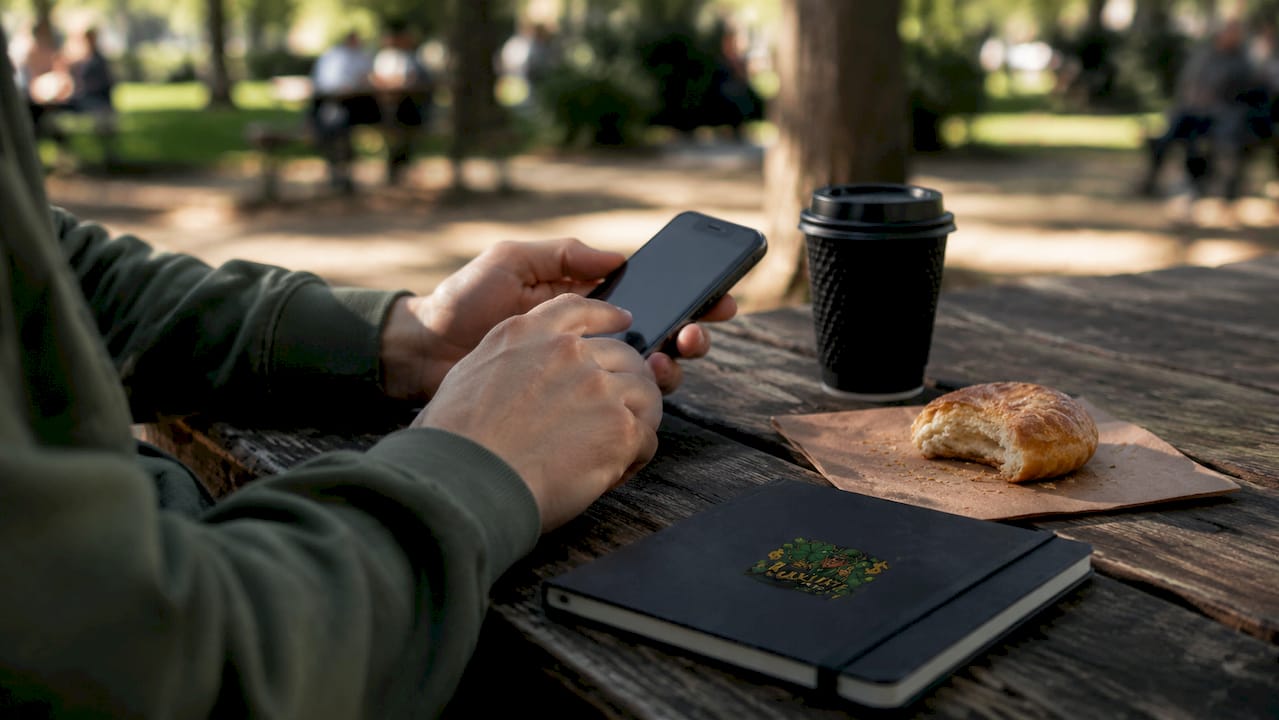
A strong referral message answers three questions before the reader even clicks: What is this? Why do you use it? Why should they care? For example, instead of pasting a raw link into a group chat, write: "I've been playing on Luckyluxe for the past month and the arcade games are genuinely fun. Here's my referral link if you want to try it. We both get a bonus when you join."
Effective context-building techniques include:
- Describing one specific feature you actually use
- Naming the audience who would benefit most
- Stating the reward both parties receive
- Keeping the message under 60 words for social and SMS channels
Pro Tip: Match the tone of your message to the platform. A referral shared in a Discord gaming server should sound casual and specific. The same link shared in a LinkedIn post needs a more professional framing. Authentic personal recommendations convert better than generic growth-hacking copy.
3. Prioritize email as your highest-converting channel
Email is the highest-converting referral channel available, and pre-written forwardable emails improve sharing rates significantly. KickoffLabs recommends leading with email over social buttons, using automated welcome sequences and milestone reminder emails to keep referrers engaged. Email gives you full control over message length, formatting, and timing, none of which social algorithms allow.
| Channel | Conversion Strength | Key Advantage |
|---|---|---|
| Highest | Full message control, no algorithm | |
| SMS | High | Immediate open rate, short format |
| Social media | Medium | Broad reach, rich previews |
| Offline (codes) | Situational | Works without internet or links |
A well-structured referral email includes a subject line that names the reward, a one-paragraph personal recommendation, the referral link as a clear button, and a one-line disclosure. Follow-up emails sent 3 and 7 days after the first share recover a meaningful portion of referrals that were seen but not acted on.
Referral success links directly to double-sided incentives, dead-simple share flows, and automated email triggers that celebrate milestones. If your program offers both parties a reward, say so clearly in the subject line.
4. Optimize link previews with Open Graph metadata
When a referral link is pasted into Facebook, iMessage, or Slack, the platform reads the page's Open Graph tags to generate a preview card. Open Graph properties like og:title, og:image, and og:url control exactly what that card displays. A referral link with a compelling image and a clear title gets far more clicks than a plain URL with no preview.
ThatDevPro's documentation explains that og:image should be at least 1200 x 630 pixels for optimal display across platforms. The og:title should match the reward or benefit, not just the brand name. Testing your link preview using Facebook's Sharing Debugger or LinkedIn's Post Inspector before launching a campaign catches broken or stale cache data before it reaches your audience.
One critical technical note: changing one OG variable at a time and retesting prevents cache conflicts that cause old images or titles to persist across platforms. Bulk changes make it impossible to identify which element caused a display error.
5. Use one-click share buttons with pre-filled messages
One-click share buttons with pre-filled, editable messages reduce sharing friction and directly increase referral volume. ReferralRock's best practice research shows that minimizing sharer effort and optimizing for mobile usage are the two biggest levers for improving referral link dissemination. If someone has to copy a link, open a new app, and write their own message, most of them won't bother.
Pre-filled messages should be editable, not locked. Giving people a starting point while letting them personalize the text produces messages that feel authentic rather than automated. Platforms that force a fixed message often see lower share rates because the copy feels impersonal to the sharer's own network.
For gaming platforms like Luckyluxe, a one-click share flow that opens directly into WhatsApp, Telegram, or SMS with a pre-written message and the referral link already embedded is the gold standard for mobile users. Learn more about sharing referral links on gaming platforms to see this in practice.
6. Apply deferred deep linking for mobile app referrals
Deferred deep linking retains referral attribution through the app install process, which is where most mobile referral programs lose credit. Tolinku's attribution flow details how referrer strings are passed through Android's Play Store and captured on first app open, ensuring the referring user gets credit even when the new user had to install the app before completing the action.
Without deferred deep linking, a user who clicks your referral link, installs the app, and then opens it for the first time arrives at a generic home screen with no referral data attached. The attribution is lost. With it, the app recognizes the referral source and applies the reward automatically.
Key technical requirements for deferred deep linking include:
- Passing the referrer parameter through the install URL
- Reading the referrer string on first app open
- Storing attribution server-side before the user completes any action
- Testing the full flow on both Android and iOS before launch
7. Design for deterministic attribution to protect tracking
Browser privacy settings and cookie consent prompts can break standard referral tracking windows. Deterministic attribution uses server-side tracking and fast user action flows to preserve referral credit even when cookies are blocked or expire. GoHomeMoney's analysis shows that robust UX flows encourage referred users to complete key actions quickly, which keeps attribution intact before any tracking window closes.
The practical implication: your referral program should not rely solely on a 30-day cookie window. If a referred user clicks your link, closes the browser, and returns three weeks later through a different device, standard cookie tracking will miss the conversion entirely. Server-side attribution tied to an account creation or email address solves this problem.
Transparency in referral systems also plays a role here. When users understand how their referral credit is tracked and rewarded, they are more likely to complete the required actions within the attribution window.
8. Combine referral links with referral codes for full coverage
Referral links work best for digital channels where tracking is automatic. Referral codes work better in offline or awkward sharing scenarios where pasting a URL is impractical. Referral Factory notes that many high-performing programs offer both formats to unify attribution and cover every referral occasion.
Practical scenarios where codes outperform links:
- Podcast mentions where listeners can't click a link
- Phone conversations with friends or family
- In-person events or retail environments
- Situations where the link appears too long or suspicious
When both formats are tied to the same account, attribution and rewards are unified regardless of which method the new user uses. Programs that offer only links leave offline referrals uncredited, which means lost rewards for active referrers. Adding a short, memorable code alongside your link can increase total referral credit by a meaningful margin without any additional effort.
Key takeaways
Effective referral link sharing requires disclosure, personal context, multi-channel distribution, and technical tracking working together to produce consistent results.
| Point | Details |
|---|---|
| Disclose every time | Place FTC-compliant disclosure directly next to the link, not in a footer. |
| Add personal context | Describe your actual usage and name the reward to avoid spam perception. |
| Lead with email | Email outperforms social for referral conversions; use pre-written, automated sequences. |
| Optimize link previews | Set og:title and og:image correctly so every shared link generates a compelling preview card. |
| Pair links with codes | Use referral codes for offline and voice channels to capture every possible referral. |
What I've learned from watching referral programs succeed and fail
Most people treat referral links as a copy-paste task. They grab the URL, drop it into a message, and wait. That approach almost never works, and the reason is simple: people share things they believe in, not things they were handed.
The programs I've seen convert consistently share one trait. The referrer sounds like themselves. They use their own words, mention a specific reason they like the product, and make the reward obvious without being pushy. That combination of honesty and specificity is what separates a referral that converts from one that gets ignored.
The technical side matters more than most people realize. A broken link preview, a lost attribution cookie, or a missing disclosure can each kill a campaign that would otherwise perform well. Testing the full referral flow before sharing widely, including the mobile install path and the link preview on at least three platforms, is the single most underrated step in the process.
My honest advice: pick one channel you know well, write a message that sounds like you, disclose clearly, and test the link before sending. Then measure what happens and adjust. Referral marketing rewards consistency and specificity far more than volume.
— Skyline
Start earning more with Luckyluxe's referral program
Luckyluxe makes referral link sharing straightforward for players who want to earn real rewards. The platform's built-in referral program gives you a trackable link and a referral code, so you're covered whether you're sharing in a group chat or mentioning it to a friend in person. The share flow is optimized for mobile, with pre-filled messages ready to send in seconds. Luckyluxe tracks every referral automatically, so you never lose credit for a successful invite. Visit Luckyluxe to access your referral link, explore the full game catalog, and start turning your recommendations into rewards today.
FAQ
What is the most important rule for sharing referral links?
Always disclose your referral relationship near the link using clear language like "I earn a reward if you sign up." The FTC requires this, and transparency consistently improves conversion rates rather than hurting them.
Which channel converts best for referral link sharing?
Email is the highest-converting referral channel. Pre-written, forwardable emails with automated follow-ups outperform social media buttons because they reach the reader directly without algorithmic interference.
How do I stop my referral link from looking like spam?
Add personal context before the link. Describe one specific reason you use the product, name the reward both parties receive, and keep the message under 60 words for social and SMS channels.
What is deferred deep linking and why does it matter?
Deferred deep linking passes referral attribution through an app install so the referring user gets credit even when the new user had to download the app first. Without it, mobile referral credit is frequently lost at the install step.
Should I use a referral link or a referral code?
Use both. Referral links work best for digital sharing where tracking is automatic. Referral codes cover offline situations like phone calls or podcasts where pasting a URL is not practical.