
The best casual gaming sessions don't happen by accident. They happen when you decide in advance how long you'll play, what you want out of it, and whether your head is actually in the right place to enjoy it. That's the core of any solid casual gaming session planning guide: intentional structure around mental readiness, session length, and clear stopping points.
Here's what that structure looks like in practice:
- Mental state check: Play rested and focused, not stressed or distracted
- Session length: A focused 15–30 minute window is ideal for casual play
- Microcycles: Build sessions around short gameplay loops under a minute
- Start and end times: Decide both before you launch the game
- Stopping rules: Set win/loss limits or a timer before you begin
Table of Contents
- How to prepare your mental state before playing
- Leveraging microcycles for short, focused sessions
- Setting clear start and end times for every session
- How Luckyluxe supports casual gaming with quality and ease
- Choosing the right games for your group or mood
- Creating a comfortable physical gaming environment
- Incorporating social interaction and multiplayer elements
- Balancing challenge and relaxation during a session
- Planning breaks and pacing to prevent fatigue
- Luckyluxe: casual gaming built for real players
- Key Takeaways
How to prepare your mental state before playing
Your mental state shapes the quality of every decision you make during a session. Playing while tired or distracted leads to poorer choices and less enjoyment, full stop. Stress compounds this: when your mind is elsewhere, you're more likely to chase losses, ignore your plan, or keep going past the point where it's actually fun.
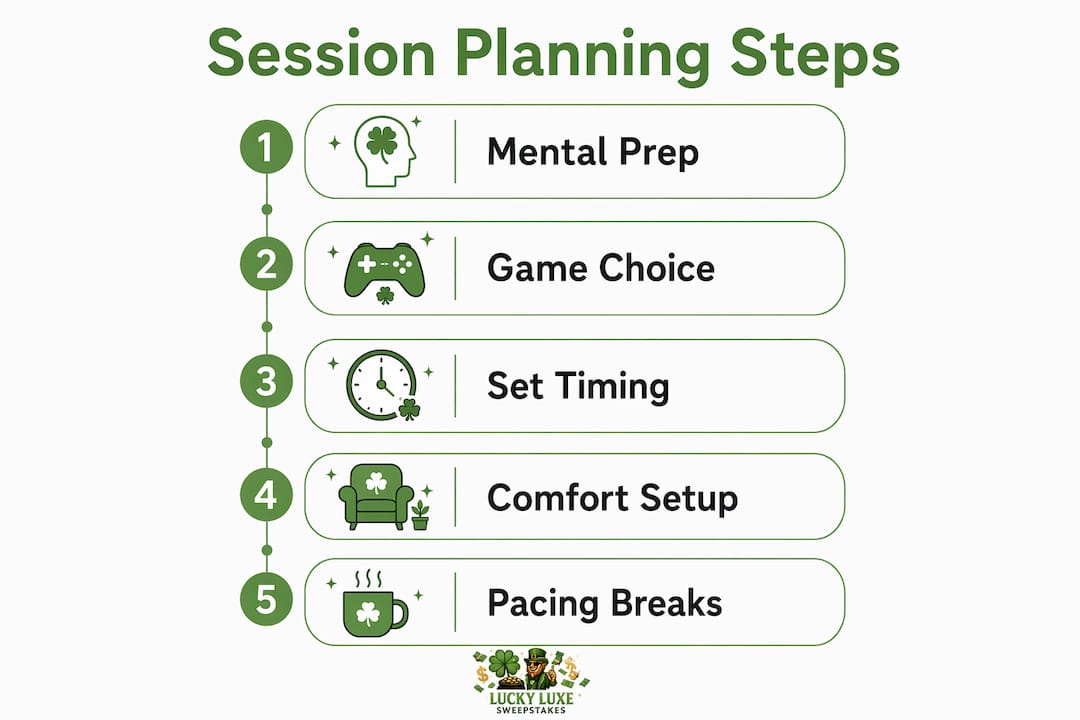
A two-minute reset before you start makes a real difference. Step away from whatever you were doing, take a few slow breaths, and set a clear intention for the session. Think of it as clearing your mental cache before loading the game.
Pro Tip: Treat your pre-session routine the way an athlete treats a warm-up. A short mental reset, even just closing other tabs and sitting quietly for 60 seconds, primes your focus and sets the tone for the whole session.
Leveraging microcycles for short, focused sessions
At the heart of every well-designed casual game is a microcycle: a gameplay loop under a minute that delivers an action, immediate feedback, and a small reward. Slots, arcade games, and fishing titles are all built around this rhythm. One spin, one result, one decision to continue or stop.
Planning your session around microcycle counts rather than vague time estimates keeps things concrete. "I'll play 20 rounds" is more controllable than "I'll play for a while." Natural stopping points, like the end of a bonus round or a level completion, are built-in exits that reduce session friction and make it easier to quit on a high note.
- Use round counts or level completions as session markers
- Stop at natural breakpoints, not mid-cycle
- Keep sessions to a defined number of loops rather than open-ended time
- Let micro-rewards signal progress without pulling you into "just one more"
Setting clear start and end times for every session
Decide your session length before you open the game. That single habit separates players who stay in control from those who look up and realize an hour has passed. Experienced players use predefined stop points based on time or win/loss thresholds, not feelings in the moment.
Good session management habits worth building:
- Set a phone timer before launching any game
- Define a win target and a loss limit in advance
- Take a break every 30–60 minutes if you're playing multiple sessions
- Review how the session went before starting another
Pro Tip: Think of your sessions like athletic intervals. Each one has a goal, a defined length, and a hard stop. The discipline isn't about restricting fun; it's what makes the fun sustainable across weeks and months.
Consistent session timing builds better habits over time. Players who manage their sessions with clear timing report better focus and more balanced play.
How Luckyluxe supports casual gaming with quality and ease
Luckyluxe is built for exactly this kind of play. The platform's game library spans slots, fishing games, and arcade titles, all designed for short, satisfying sessions without requiring long commitments. The interface loads fast, navigation is clean, and you can find a new game or return to a favorite without wasting time on menus.
Key platform features that support session planning:
- Diverse game library suited to short-session play
- High-quality graphics and fair play across all titles
- Promotional offers and hot game highlights updated regularly
- Referral program and support resources for ongoing engagement
| Feature | How it helps your session |
|---|---|
| Quick game entry | Minimizes setup time so you start playing faster |
| Promotional highlights | Helps you choose games worth your session time |
| Referral program | Adds a social layer without requiring long play |
| Support resources | Accessible help if questions come up mid-session |
| Varied game types | Matches different moods and energy levels |
Luckyluxe's blog, produced with content from Skyline, also offers educational guides aimed at beginners and casual players, covering online gaming categories and how to get started without feeling lost.
Choosing the right games for your group or mood
The right game depends on two things: who's playing and what kind of energy you're bringing to the session. Solo players after a long workday want low-stakes, fast-feedback games like slots or arcade titles. A group of friends on a Friday night wants something with shared stakes and quick rounds.
For solo casual play, prioritize games with clear goals per round, fast restarts, and no penalty for stopping early. For group sessions, planning around player count and platform matters more than picking the most popular title. A game that half the group can't access or doesn't enjoy kills momentum faster than a bad snack spread.
Match the game to the mood, not the other way around. If you want relaxed entertainment, a high-pressure competitive format is the wrong call. Check out casual browser games for options that fit nearly any session type.
Creating a comfortable physical gaming environment
Physical comfort directly affects how long you can stay focused. Ergonomic seating, good lighting, and minimal distractions are the three factors that matter most. A stiff chair or a glare-heavy screen adds fatigue faster than the game itself.
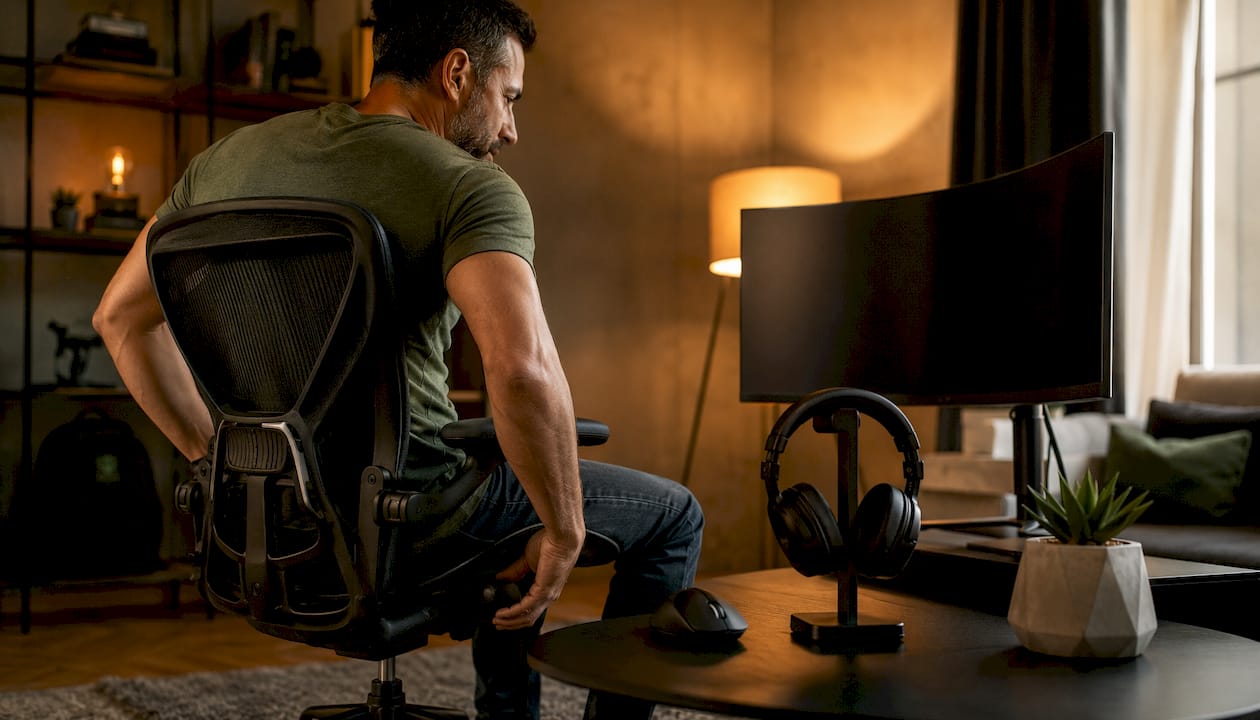
Keep your setup simple: a comfortable chair at the right height, a screen bright enough to read clearly, and notifications silenced on nearby devices. Background music at low volume works well between sessions but can compete with your focus during play. Small adjustments here extend how long a session stays enjoyable without extending the clock.
Incorporating social interaction and multiplayer elements
Social features add staying power to casual sessions without demanding more time. Asynchronous interactions, like leaderboards, friend challenges, and gifting systems, let you stay connected to other players across short sessions without needing to coordinate schedules.
For group gaming nights, the key is keeping social friction low. Agree on the game, platform, and start time before anyone logs on. That prep work cuts the time lost in group chat and gets everyone playing faster.
Balancing challenge and relaxation during a session
The best casual sessions sit in a specific zone: engaging enough to hold your attention, relaxed enough that you're not grinding. Too easy and you zone out; too hard and the session stops feeling casual at all.
Planning sessions with clear goals and time limits keeps this balance intact. A defined objective, like reaching a new level or completing a bonus round, gives the session direction without turning it into work. When a game stops feeling fun, that's a signal to end the session, not push through.
Planning breaks and pacing to prevent fatigue
Breaks aren't optional. Taking one every 30–60 minutes resets your focus and keeps decision quality high across multiple sessions. Skipping breaks is how casual play turns into a grind.
Pace your sessions the way you'd pace a workout: warm up with a low-stakes round, play your main session, then stop before fatigue sets in. A brief physical stretch between sessions, even just standing up for two minutes, does more for your next session than any in-game strategy. Responsible gaming practices reinforce this pacing and help you build habits that stay enjoyable long-term.
Luckyluxe: casual gaming built for real players
Luckyluxe gives casual players a platform where short, satisfying sessions are the whole point. No long commitments, no complicated setup. You get a wide library of slots, arcade, and fishing games with high-quality graphics, fair play, and fresh promotional offers that make it easy to find something worth your session time.
Whether you're playing a quick 15-minute solo session or organizing a casual game night with friends, Luckyluxe has the variety and the tools to make it work. The referral program adds a social dimension, and the support resources are there when you need them. Head to Luckyluxe and start your next session on your terms.
Key Takeaways
A well-planned casual gaming session comes down to three things: the right mental state, a defined time limit, and games that respect your time.
| Point | Details |
|---|---|
| Mental state first | Playing rested and focused leads to better decisions and more enjoyment every session. |
| Session length sweet spot | A focused 15–30 minute window delivers stronger engagement than open-ended play. |
| Use microcycles as markers | Plan sessions around gameplay loops under a minute to create natural, easy stopping points. |
| Set limits before you start | Decide your time limit and win/loss thresholds before launching any game. |
| Luckyluxe fits casual play | Luckyluxe's short-session game library, fair play, and promotional highlights support exactly this style of play. |