
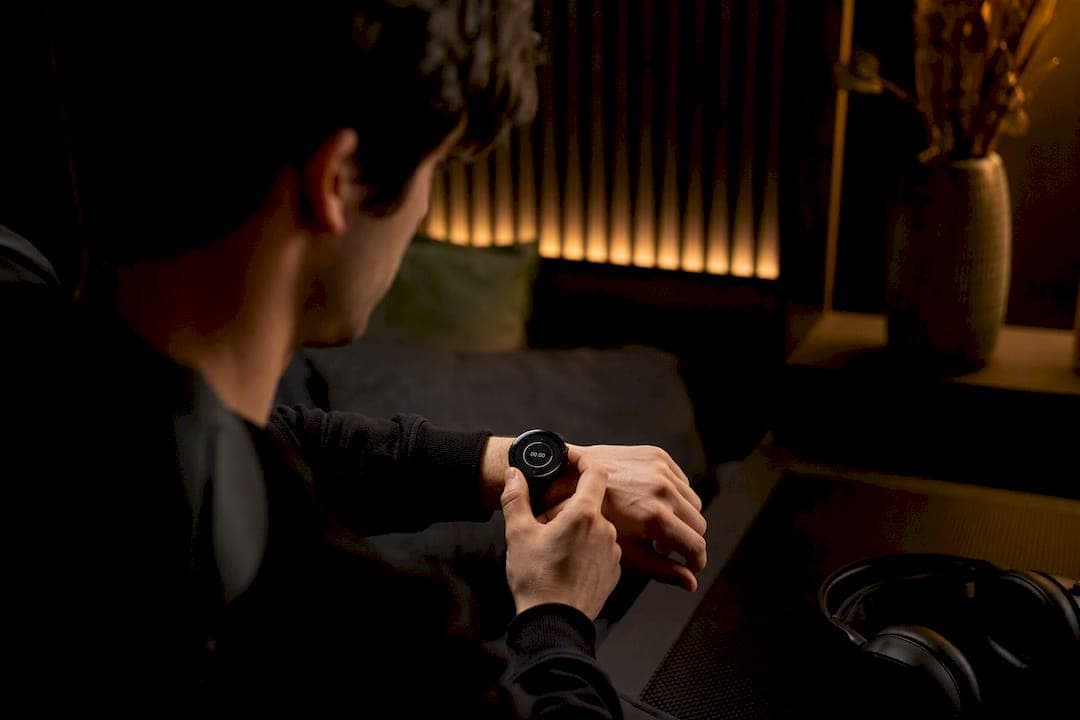
The fastest way to maximize fun with limited playtime is to pick one session-friendly game, set a single measurable goal before you open it, and stop the moment you hit that goal instead of chasing "one more thing." That's it. That's the whole trick behind what researchers and gaming writers call micro-play: short, intentional bursts of gameplay that deliver real satisfaction without needing a three-hour block you don't have.
Here's what to do tonight, before you even finish reading:
- Pick an activity built for short sessions (a roguelike run, a puzzle level, an arcade match).
- Set one goal: beat one level, finish one match, upgrade once.
- Kill setup friction. Skip the launcher tour, skip the patch notes, just play.
- If you can, loop in a partner or friend for a quick co-op round.
- Set a stop cue, a timer, an alarm, or "after this match" and actually honor it.
For a quick social option that fits a coffee break or a post-dinner wind-down, Lucky Luxe works well because its arcade and casual game formats are built to be picked up and put down without a progression system punishing you for leaving.
Pro Tip: Decide your stop cue before you start playing, not after. Deciding mid-session almost always turns into "just five more minutes," and five minutes becomes forty.
Key Takeaways
Maximizing fun in limited playtime comes down to choosing session-friendly games, setting one clear goal, cutting setup friction, and honoring a firm stop cue every time.
| Point | Details |
|---|---|
| Set one goal per session | Pick a single measurable target, finish a mission, beat one level, before you start playing. |
| Choose low-friction games | Favor roguelikes, puzzle, arcade, and turn-based titles that autosave and pause cleanly. |
| Cut launch friction | Pin favorites, enable auto-updates, and build a two-minute launch ritual you repeat every time. |
| Avoid time-sink traps | Skip daily login pressure, long cutscenes, and open-ended grind during short windows. |
| Try session-friendly platforms | Lucky Luxe offers fast-loading arcade and casual formats suited to ten-minute breaks or quick paired sessions. |
Table of Contents
- How Do You Plan a Satisfying Short Gaming Session?
- Which Games and Modes Actually Reward Short Play?
- How Do You Cut Setup Time and Get Into Gameplay Faster?
- Can Social Gaming Work in Short Sessions Too?
- What Time Sinks Quietly Ruin a Short Gaming Session?
- What Are Ready-to-Use Session Templates for 10, 20, and 45 Minutes?
- Why Does Micro-Play Actually Work?
- What's the One Habit That Made This Click for Me?
- How Lucky Luxe Fits Into a Short-Session Routine
- Frequently Asked Questions
- Sources
How Do You Plan a Satisfying Short Gaming Session?
Treat every short session like a mini appointment with a clear outcome, not an open-ended block of "gaming time." Adult-mode play guidance suggests thinking in 30 to 90 minute sessions and managing your backlog the way you'd manage a stock portfolio: some titles are long-term holds, others are quick, satisfying trades. That mental shift alone removes a surprising amount of guilt.
Here's a repeatable four-step method:
- Decide your window first. Ten minutes, twenty minutes, forty-five minutes, whatever you actually have, and be honest about it.
- Set one goal, not three. Finish a mission, beat a boss, or clear a level. A single target for the session, according to guidance from PLITCH, keeps the session focused instead of sprawling.
- Build a launch ritual. The same three or four clicks every time: open the app, skip the menu, load your save. Consistency removes decision fatigue.
- Build a wind-down ritual. A five-minute buffer to save, exit cleanly, and mentally shift back to whatever comes next.
The fun-first rule matters more than most players realize: choose the activity that delivers enjoyment immediately, not the one that requires twenty minutes of setup before the payoff arrives. If a game makes you sit through tutorials, cutscenes, or a slow crafting menu before anything fun happens, it's the wrong pick for a short window, no matter how good the game is overall.
Pro Tip: Keep a mental shortlist of three "go-to" games, one for ten minutes, one for twenty, one for forty-five, so you never burn five minutes of a fifteen-minute window just deciding what to play.

Which Games and Modes Actually Reward Short Play?
Not every game is built for a fifteen-minute window, and pretending otherwise is how good intentions turn into frustration. The games that work best share a handful of traits: they save constantly, they let you pause without penalty, they don't punish you for logging off, and they deliver a payoff fast.
Games with short session loops, frequent autosaves, and fast restarts let you make real progress in ten to thirty minutes. That's why certain genres consistently outperform others for busy players:
- Roguelikes and roguelites. Each run is self-contained, so a bad run or a great run both end cleanly.
- Puzzle games. One level, one solve, done. No cliffhanger.
- Arcade titles. Built from the ground up for quick sessions and instant feedback.
- Turn-based games. You can pause mid-battle without losing your place.
- Short-chapter narrative games. Story beats sized for a commute or a coffee break.
- Casual party games. Fast rounds, low stakes, easy to drop in and out.
Before launching anything for a short window, run it through a quick mental checklist: Can I pause this without losing progress? Will I see meaningful progress in under fifteen minutes? Does starting this require more than two minutes of setup? Tools like SessionPick actually filter games by exactly these criteria, minimum session length, pausability, and what's sometimes called a FOMO score, how much a game punishes you for stepping away. A high FOMO score is a red flag for anyone with limited time.
How Do You Cut Setup Time and Get Into Gameplay Faster?
Every minute spent in a loading screen, a launcher, or a settings menu is a minute stolen from the fun you actually wanted. Setup friction is the silent killer of short sessions, and most of it is fixable in five minutes of prep.
Run through this once and you'll reclaim minutes every single session afterward:
- Pin your regular games to a favorites bar or home screen instead of digging through folders.
- Turn on auto-updates so patches download while you're not playing, not the moment you sit down.
- Close background apps before launching, half of "slow loading" is actually memory contention.
- Enable cloud saves so you can pick up on whatever device is closest, phone, console, or laptop.
- Keep controllers charged and paired ahead of time, not scrambled for at session start.
- Use platform-specific quick-launch shortcuts where available instead of navigating a full menu tree.
On mobile, quick-play modes exist specifically to skip the ceremony; use them. On console or PC, suspend and resume settings mean you never have to reload a full save file just to check one thing.
Pro Tip: Build a two-minute launch ritual, same steps, same order, every time, so your brain associates it with "we're playing now" instead of "let's see what needs updating."
Can Social Gaming Work in Short Sessions Too?
Social play doesn't require a scheduled raid night or a four-hour commitment. Some of the most satisfying short sessions happen with other people, as long as everyone agrees on the format ahead of time.
A few formats hold up well under time pressure:
- Scheduled casual nights with a hard end time everyone respects.
- Short-match multiplayer modes where a single round runs five to fifteen minutes.
- Co-op missions with a clear, visible stop point instead of an open-ended objective.
- Asymmetrical party games where one person can join late without disrupting the group.
Coordinating this is easier than it sounds. A small group text with a simple shorthand, "I have 30" or "quick round?", removes the awkwardness of committing to something bigger than you have time for. The rule that matters most: no pressure to join, and no guilt for leaving on time. A group that respects a clean exit is a group people actually show up for again.
What Time Sinks Quietly Ruin a Short Gaming Session?
Some games are built, intentionally or not, to punish anyone without hours to spare. Recognizing the warning signs before you launch a game saves you from wasting the little time you have.
Watch for these red flags:
- Daily login rewards that make skipping a day feel like a loss.
- Long, unskippable cutscenes standing between you and actual gameplay.
- In-game travel or commute time that eats minutes for no gameplay payoff.
- Mandatory prep phases (gearing up, loadout screens) before anything fun starts.
- Matchmaking queues with unpredictable wait times.
Beyond spotting the traps, a short do-not-do list helps: don't start an activity with an unknown time cost, don't chase large-scale grind during a short window, and don't feel obligated to clear every side quest just because it's there. If a game offers a skip button for repetitive tasks, cutscenes, or tutorials you've already seen, use it without guilt.
Pro Tip: If a game demands a daily login to avoid "losing" something, that's a design choice meant to create obligation, not fun. Ignoring it is often the healthier move for your actual leisure time.
What Are Ready-to-Use Session Templates for 10, 20, and 45 Minutes?
Copy one of these tonight instead of scrolling through your library wondering what to play.
- 10-minute template: A 30-second launch ritual, one quick objective (finish a puzzle level, complete one roguelike run), then stop the moment you hit it.
- 20-minute template: A short warm-up round, one goal (finish a short mission, level up once), a quick check-in if you're playing with someone, then a graceful exit before you get pulled into "one more."
- 45-minute template: A slightly bigger objective (one boss fight, one narrative chapter), an optional co-op round if a friend's around, and a five-minute buffer at the end to save and wind down properly.
Mapped to genre, so you can pick by mood rather than by guesswork:
- Mobile puzzle or match-three: perfect for the 10-minute slot.
- Roguelite run or short-chapter narrative game: solid fit for 20 minutes.
- Turn-based strategy or a short-match shooter with a friend: fits comfortably in 45.
The casual gaming session planning guide breaks these templates down further if you want variations for specific game types.
Why Does Micro-Play Actually Work?
The research here lines up with what busy players already sense: presence beats duration. Short, intentional bursts of play, even around fifteen minutes, can lower stress and still deliver a genuinely satisfying experience when you're actually paying attention instead of half-scrolling your phone during a longer session.
The practical takeaway translates directly into design choices:
- Set a goal before you start, not partway through.
- Treat your backlog like a flexible portfolio instead of a guilt list, an approach gaming editors increasingly recommend for players juggling jobs and family time.
- Choose games that respect a short window instead of forcing one to fit.
- Protect your stop cue as firmly as your start time.
None of this requires more time. It requires better decisions about how the time gets used.
What's the One Habit That Made This Click for Me?
The evening that sold me on micro-play wasn't some grand realization, it was a Tuesday with twenty-two minutes free before a call. I picked a roguelite, set one goal (survive one run), and actually finished feeling satisfied instead of interrupted. That's the whole shift: treating a short window as enough, not as a consolation prize for not having more.
My go-to now is simple: a fifteen-minute puzzle or arcade round with one clear finish line, no exceptions. Micro-play isn't a workaround for a busy life. It's permission to actually enjoy the time you've got instead of feeling guilty for not having more of it.
How Lucky Luxe Fits Into a Short-Session Routine
Lucky Luxe is built around exactly the kind of session the rest of this article describes: quick to start, easy to pause, and satisfying whether you've got ten minutes or an hour. Its arcade and casual game formats load fast, don't demand long tutorials, and don't punish you for stepping away mid-session, which matters if your "gaming time" is really a coffee break squeezed between meetings.
A few real ways players use it: a quick round during a coffee break, a short unwind session after dinner, or a paired weekend session with a partner where neither of you has to commit to more than twenty minutes. Setup takes minutes, not an evening, so the friction-cutting advice above applies directly here. If you want a session-friendly option that respects your actual schedule instead of asking for more of it, check out the game lineup at Lucky Luxe and start a quick round tonight.
Frequently Asked Questions
What's the single best way to maximize fun with limited playtime? Pick a session-friendly game, set one goal before you start, and stop the moment you reach it. That combination consistently beats open-ended play for satisfaction per minute.
How much time do I actually need for a satisfying gaming session? As little as ten minutes, if you choose the right game. Puzzle levels, arcade rounds, and roguelike runs are built to deliver a complete, satisfying loop in that window.
What games are best for quick fun during a short break? Roguelikes, puzzle games, arcade titles, and turn-based games top the list because they autosave often, pause cleanly, and reward you fast without long setup.
How do I stop feeling guilty about not finishing games? Treat your backlog like a portfolio instead of a to-do list. Some games are long-term projects; others are quick, satisfying sessions you can drop into anytime.
Can short gaming sessions with friends or family still feel meaningful? Yes. Short-match multiplayer, quick co-op missions with a clear stop point, and casual party games all work well when everyone agrees on the time limit upfront.
Sources
- How to Choose a Game When You Have Little Time
- Adult-Mode Play: Gaming for Real Life | TAG
- How to Enjoy PC Games With Limited Time | PLITCH
- Playtime tips for busy families
- SessionPick — Find games that respect your time