

A referral link is a unique, trackable URL that an existing user shares to invite new people to a platform, triggering rewards for both parties when those new users take action. This mechanism sits at the center of how modern platforms grow without relying entirely on paid advertising. The role of referral links on online platforms spans technical tracking, user psychology, and business economics. Platforms like Shopify and tools like ReferralCandy have built entire growth systems around this single concept. Understanding how referral links work tells you a great deal about why some platforms grow fast and others stall.
How do referral links work technically on online platforms?
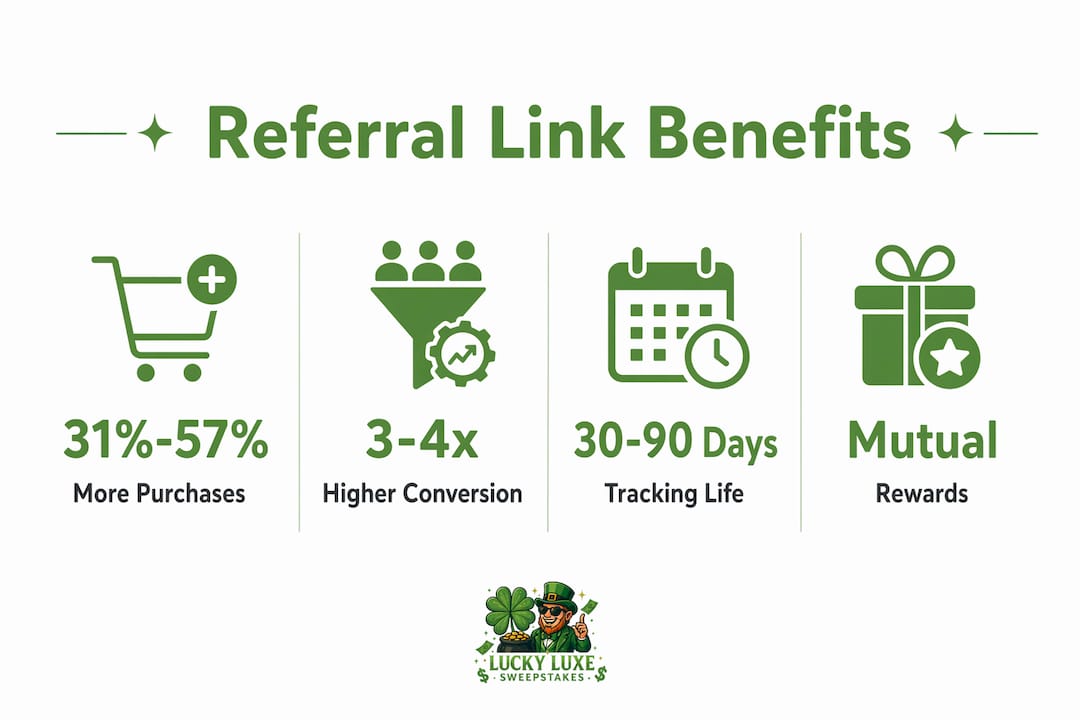
Referral links function through tracking parameters embedded directly in the URL. When a user clicks a referral link, those parameters tell the platform exactly who sent the new visitor. The platform then stores that attribution in a browser cookie, which persists for 30–90 days, so a purchase made weeks after the first click still gets credited to the original referrer.
The most common parameters are UTM codes and unique referral IDs appended to a base URL. For example, a link might look like platform.com/signup?ref=user12345. When user12345's friend clicks that link and signs up, the platform records the connection automatically.

Pro Tip: Always test your referral link on a private browser before sharing it widely. This confirms the tracking parameters fire correctly and that the reward logic triggers as expected.
Referral links vs. referral codes
| Feature | Referral Links | Referral codes |
|---|---|---|
| Format | Clickable URL | Alphanumeric string |
| User action | One click | Manual entry at checkout |
| Best use case | Digital and SaaS platforms | Offline, in-person, or voice |
| Friction level | Low | Higher |
| Tracking reliability | Automatic via cookies | Depends on user remembering |
Referral links reduce friction compared to codes because no manual entry is required. Codes still serve a purpose in offline contexts or word-of-mouth conversations where a clickable link is not practical.
One real challenge is link stripping. Some email clients and social platforms remove tracking parameters from URLs before the recipient clicks. Platforms mitigate this by providing fallback codes that users can enter manually if the link fails. Branded short links also help by making the URL harder for systems to flag or strip.
What are the benefits of referral links for growth and engagement?
The business case for referral programs is backed by clear data. Referred customers carry 16% higher lifetime value and 18% higher retention rates than customers acquired through other channels. That means every referred user is worth more to a platform over time, not just at the moment of signup.
The cost advantage is equally significant. Referral leads convert at 3 to 4 times the rate of cold paid leads. Referral acquisition is typically 2.5 times more cost-effective than paid media when you account for reward payouts against revenue generated.
"Referral programs are more than growth hacks. They are trust-based customer acquisition strategies that outperform traditional paid ads by leveraging social proof." — Bazu Company
The psychological engine behind referral links is trust. A recommendation from a friend carries far more weight than any banner ad. When a platform uses double-sided incentives, rewarding both the referrer and the new user, it transforms sharing into a pro-social act. The referrer feels good about giving their friend a benefit. The new user feels welcomed rather than sold to.
Key benefits referral links deliver to platforms and users:
- Higher conversion rates. Referred users arrive pre-sold by someone they trust.
- Lower acquisition costs. Reward payouts are tied to confirmed actions, not impressions.
- Stronger retention. Referred users stay longer and spend more over their lifetime.
- Viral growth potential. Each new referred user can become a referrer themselves.
- Measurable attribution. Referral links connect recommendations directly to analytics and lifetime value metrics, unlike traditional word-of-mouth.
There is also a compounding effect that most platforms underestimate. Referred customers generate 31%–57% more subsequent referrals themselves. Firms that ignore this downstream impact underestimate the total worth of their referral program by 20%–36%. The referral contagion effect turns a single satisfied user into a chain of new customers.
How do platforms implement and optimize referral link programs?
The most effective referral programs run on dedicated infrastructure. Tools like ReferralCandy, Friendbuy, and Viral Loops give platforms built-in dashboards to track referrals, manage rewards, and automate payouts. These tools remove the need to build tracking logic from scratch and reduce the operational burden on internal teams.
Multi-channel sharing is non-negotiable for reach. A referral link shared only by email misses users who live on messaging apps like WhatsApp or social platforms like Instagram. The best programs make sharing frictionless across every channel, including direct copy-paste links, pre-written social posts, and one-tap sharing buttons on mobile.
Here is how platforms typically structure a referral program rollout:
- Define the reward structure. Decide whether rewards are cash, credits, discounts, or exclusive access. Double-sided incentives consistently outperform one-sided ones.
- Set qualified action requirements. Require a verified first purchase or completed signup before any reward is issued. This is the primary defense against fraud.
- Integrate tracking tools. Connect ReferralCandy, Friendbuy, or a custom system to your user database and analytics platform.
- Build the sharing interface. Place the referral link prominently in the user dashboard, post-purchase confirmation page, and onboarding emails.
- Automate referral requests. Automated requests sent at the right time generate 2–4 times higher referral volume than organic word-of-mouth alone.
- Monitor for fraud. Fraud rates in referral programs run around 6%–8%. Watch for patterns like multiple accounts from the same device or IP address.
Pro Tip: Place your referral link prompt immediately after a positive user moment, such as a completed purchase or a first win on a gaming platform. Users are most motivated to share when their satisfaction is highest.
Gaming platforms offer a clear example of referral programs done well. A player who just won a round is far more likely to share a referral link than one who is mid-session and focused on gameplay. Timing the prompt to match emotional peaks is a detail that separates high-performing programs from average ones. For a practical walkthrough, sharing referral links on gaming platforms follows its own set of best practices worth reviewing.
How do referral links differ from referral codes and affiliate links?
These three tools are often confused, but they serve different purposes and suit different contexts.
| Feature | Referral links | Referral codes | Affiliate links |
|---|---|---|---|
| Who uses them | Existing customers | Customers or influencers | Partners, publishers, influencers |
| Format | Clickable URL | Text string | Clickable URL |
| Reward type | Credits, discounts, cash | Discounts, credits | Commission on sales |
| Tracking method | Cookie and URL parameter | Manual entry | Cookie and URL parameter |
| Best context | Digital platforms, apps, SaaS | Offline, podcasts, voice | Content sites, media, blogs |
Referral links are built for customers sharing with friends. The reward is usually mutual and modest, designed to encourage organic sharing rather than professional promotion. Affiliate links serve a different function. They are issued to publishers, content creators, or business partners who promote a product to a broad audience in exchange for a commission on each sale.
The key distinction is intent and scale. A referral program targets your existing user base and relies on personal trust. An affiliate program targets external promoters and relies on reach and content. Both use trackable URLs, but the reward structures and the relationships behind them are fundamentally different.
Referral codes fill the gap where links cannot go. A podcast host cannot embed a clickable link in audio, so a code like LUCKY20 works better. The tradeoff is that codes depend on the user remembering and entering them correctly. For best practices on sharing referral links in 2026, the general guidance is to lead with links and offer codes as a backup.
Key Takeaways
Referral links drive platform growth by turning trusted personal recommendations into trackable, reward-triggering events that consistently outperform paid acquisition on cost and conversion.
| Point | Details |
|---|---|
| Referral links use cookie tracking | Parameters persist for 30–90 days, attributing delayed purchases to the original referrer. |
| Referred users are more valuable | Referred customers show 16% higher lifetime value and 18% higher retention than non-referred users. |
| Double-sided incentives work best | Rewarding both referrer and new user increases sharing rates and makes the act feel pro-social. |
| Fraud requires active prevention | Fraud rates run around 6%–8%; requiring verified first actions before issuing rewards is the standard fix. |
| Referral contagion compounds growth | Referred users generate 31%–57% more referrals themselves, creating a multiplier effect platforms often undercount. |
Why referral links are the most underrated growth tool I know
Most marketers treat referral programs as a checkbox feature. They set up a basic link, attach a small discount, and wonder why the results are flat. The real power of referral links is not in the mechanics. It is in the timing, the trust, and the downstream math.
What I have seen consistently is that platforms underestimate the compounding effect. They measure the first referred user and stop there. They miss the fact that this user goes on to refer others, who refer others still. The American Marketing Association's research on referral contagion makes this concrete: ignoring downstream referrals means undervaluing your program by up to 36%. That is not a rounding error. That is a strategic blind spot.
The other thing most platforms get wrong is friction. A referral link buried in a settings menu will not get shared. A link that appears right after a user's best experience on the platform will. The transparency of referral systems also matters more than most platforms admit. Users share more when they understand exactly what their friend will receive and when they will receive it. Ambiguity kills sharing behavior.
My honest advice: treat your referral program like a product, not a promotion. Design it, test it, and iterate on it. The platforms that do this consistently outgrow the ones that treat referral links as an afterthought.
— Skyline
Luckyluxe and the referral experience worth sharing
Luckyluxe is an online gaming platform built around fair play, quality games, and a referral program that actually rewards its players.
When you share your Luckyluxe referral link, the tracking is reliable, the rewards are clear, and the process takes seconds. The platform covers slots, fishing games, and arcade titles, with promotional offers updated regularly so your referred friends land on something worth playing. Luckyluxe also publishes clear guidance on referral withdrawal conditions so players always know what to expect. If you want a referral program that works the way it should, visit Luckyluxe and start sharing today.
FAQ
What is a referral link?
A referral link is a unique, trackable URL assigned to an existing user that attributes new signups or purchases to that user when clicked. It typically includes parameters that identify the referrer and trigger reward logic automatically.
How long does referral link tracking last?
Tracking parameters in referral links persist via browser cookies for 30–90 days. This means a new user who clicks a link but purchases weeks later still gets attributed to the original referrer.
What is the difference between a referral link and a referral code?
A referral link is a clickable URL that tracks automatically, while a referral code is a text string the new user enters manually. Links work best on digital platforms; codes suit offline or voice contexts where clicking is not possible.
Why do platforms offer referral programs?
Platforms offer referral programs because referred users convert at 3 to 4 times the rate of cold leads and carry higher lifetime value. Referral acquisition also costs significantly less than paid media channels.
How do platforms prevent referral fraud?
The standard approach is to require a qualified action, such as a verified first purchase, before any reward is issued. Platforms also monitor for suspicious patterns like multiple accounts from the same device or IP address, where fraud rates typically run around 6%–8%.