
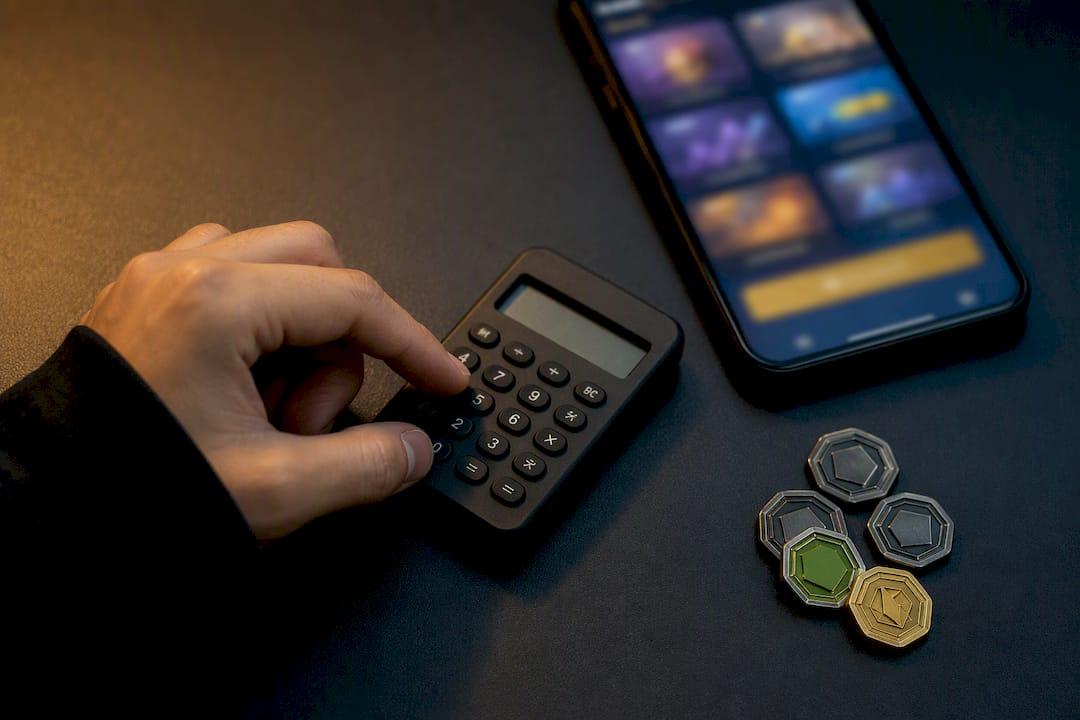
Virtual coins are game-specific digital units players use to unlock items, cosmetics, or features instead of paying cash for each individual purchase. They are not the same as real money: once converted, coins usually cannot be exchanged back for cash, and their value only exists inside the game that issues them. The practical takeaway is simple. Treat coin purchases as entertainment spending, and always check the purchase flow before you buy.
TL;DR:
- Most in-game purchases involve bundle sizes designed to encourage larger transactions and obscure the true cost per coin.
- Multi-tier currencies and uneven denominations make tracking the total expenditure and value of virtual coins more difficult for players.
- Regulators are increasingly requiring disclosures on loot box odds and exchange rates to reduce impulsive and hidden spending risks.
- Setting spending limits, reviewing purchase flows, and avoiding saved payment methods can help manage risks associated with virtual coin transactions.
- Virtual coins significantly influence game economies, affecting player engagement, content access, and the balance between free and paying users.
Table of Contents
- Types of virtual coins and how they are structured
- How players use virtual coins inside games
- How coin pricing and bundles are designed
- Consumer risks, regulatory responses, and safety guidance
- How to buy, earn, and manage virtual coins responsibly
- Lucky Luxe: platform-level explanation and safety resources
- Impact of virtual coins on game economy and player engagement
- Differences between virtual coins and cryptocurrencies in gaming
- Cross-game or platform interoperability of virtual coins
- Security concerns specific to virtual coins
- What I've learned about playing smart with virtual coins
- Play smarter with Lucky Luxe's Gold Coins and Sweeps Coins
- Sources
- FAQ
Types of virtual coins and how they are structured
Every game with a virtual economy uses some version of two basic coin categories, and knowing the difference helps you spot where real spending risk hides. Premium coins are the ones you buy with actual currency, usually through an app store or the game's own checkout. Earned coins come from playing: completing missions, logging in daily, or hitting milestones. Developers typically restrict what earned coins can buy, reserving the flashiest cosmetics or fastest progression boosts for coins you pay for.
Some games run a single currency for everything. Others use multi-tier systems, where you buy one currency with cash, then convert it into a second, in-game-only currency before you can spend it. That extra conversion step adds friction and distance between the dollar amount you spent and the price tag you see in-game.
The distinction between cosmetic-only currencies and pay-for-power currencies matters just as much. A coin that only buys skins or emotes does not change gameplay balance. A coin that buys stat boosts, gear, or faster progression can tilt competitive fairness, which is why many games separate the two systems entirely.
- Premium coins are purchased with real money and often unlock exclusive or faster content.
- Earned coins come from gameplay activity and usually have spending limits.
- Multi-tier currencies may require converting a purchased coin into a second in-game token before spending it.
- Cosmetic currencies affect appearance only, while pay-for-power currencies affect competitive balance.
Bundle sizes rarely land on round numbers. A pack might cost $4.99 for 500 coins, while the next tier up costs $9.99 for 1,150 coins, an intentionally uneven ratio that nudges players toward the larger bundle to avoid "wasting" leftover coins.
How players use virtual coins inside games
Coins show up across nearly every genre, but the mechanics they unlock follow a fairly consistent pattern.
- Cosmetic customization: Coins buy skins, outfits, emotes, and other visual changes that do not affect gameplay performance.
- Progression speed-ups: Players spend coins on energy refills, skip timers, or battle pass tiers to move through content faster than free play allows.
- Loot boxes and gacha pulls: Coins convert into randomized item drops, where the outcome is determined by odds the game may or may not disclose upfront.
- Earned rewards: Daily login bonuses, achievement completions, and limited-time events hand out coins for free, giving non-paying players a path to some of the same content.
The loot box mechanic draws the most scrutiny because it turns a fixed currency purchase into a gamble on what you actually receive. A player might spend the equivalent of several dollars in coins and get a duplicate item instead of the one they wanted, which is part of why regulators have started requiring clearer odds disclosures. Battle passes work differently: coins buy a season-long track of guaranteed rewards, which feels safer to players even though the core transaction, cash for coins for content, is the same.
How coin pricing and bundles are designed
Bundle pricing is not random. Developers design it around three goals: convenience, larger average transaction size, and the ability to charge different players different effective prices for the same content.
- Convenience means players buy coins once and spend them repeatedly, instead of entering payment details for every small in-game purchase.
- Larger transactions happen because bundle discounts make bigger packs look like better value, even when the player only needed a smaller amount.
- Price discrimination lets a game offer a $0.99 starter pack alongside a $99.99 mega pack, capturing spending from casual and high-spending players alike.
Multi-tier exchange rates add another layer of abstraction. When you buy "gems" with dollars, then convert gems into a second currency to actually purchase items, the real cost of any single item becomes harder to calculate in your head. Regulatory and industry analyses have flagged this specific structure as something that can obscure total spending, especially over repeated purchases.
Payments and product teams design these bundles deliberately. Executives interviewed on payments strategy in gaming say bundled virtual currency reduces friction and encourages larger purchases by cutting down on how often a player has to process a bank transaction, a choice tied directly to retention and revenue rather than player convenience alone.
Odd denominations, like 1,150 coins instead of 1,000, exist for the same reason grocery stores price things at $4.99 instead of $5.00. They make the bigger bundle look like the smarter buy, even when a player only needed a fraction of it.
Consumer risks, regulatory responses, and safety guidance
The core risk with virtual coins is not the currency itself. It is how easily a coin purchase can slip past the mental friction that normally makes you think twice about spending cash. Academic research on impulsive buying in freemium games warns that competitive social cues and freemium designs can trigger impulsive spending, particularly among younger players who have less experience recognizing the pattern.
Regulators have taken notice. The FTC's enforcement action against a major game developer required the company to stop selling loot boxes to teens under 16 without parental consent, disclose the odds and exchange rates behind those loot boxes, and fix purchase flows that misled players about what they were buying. The ESRB's parental guidance on in-game purchases echoes this, recommending that parents understand the difference between currencies, cosmetics, and loot boxes before allowing purchases, and that families use built-in parental controls rather than relying on a child's self-restraint.
Design choices compound the risk. Multi-tier currency exchanges, discussed above, make real cost harder to track. Interface patterns like one-click purchase windows and payment details saved by default can turn a single accidental tap into a real charge, especially on a shared family device.
- Set spending limits through your platform's built-in parental or account controls.
- Review payment defaults and remove saved cards from shared or child-accessible devices.
- Read purchase confirmations carefully before tapping through them.
- Know your dispute options with your bank or the platform if a charge looks wrong.
Pro Tip: Turn off saved payment methods on any device a child can access, even briefly, since a single tap is often all it takes to complete a purchase.
Regulators are treating disclosure as the baseline fix. The FTC's Genshin Impact settlement specifically required odds and exchange rate disclosures, a signal that transparency around virtual currency conversion is becoming an enforcement priority rather than a suggestion.
How to buy, earn, and manage virtual coins responsibly
Buying coins does not have to be risky if you build a few habits into your routine before you check out.
- Confirm you're on the official store or platform checkout, not a third-party site offering discounted coins.
- Check the bundle math: divide the price by the coin count to find your real cost per coin, then compare tiers before buying the biggest pack out of habit.
- Avoid saved payment defaults on shared devices, and re-enter payment details for each purchase when possible.
- Set a monthly cap for coin spending and track it the same way you would any entertainment budget.
- Use platform parental controls if children have access to the account, restricting or disabling purchases entirely where the option exists.
If you calculate true cost per item, the math is straightforward: say a bundle costs $9.99 for 1,150 coins, and a cosmetic item costs 500 coins. That item's real cost is about $4.34, once you divide the bundle price by coin count and multiply by the item's coin price.
Pro Tip: Before buying any bundle, do the cost-per-coin math on your phone's calculator. It takes ten seconds and instantly shows whether the "better value" pack actually is one.
If you spot an unauthorized charge, contact your bank or card issuer first to dispute it, then reach out to the platform's support channel for a refund request. Most major platforms also let you review purchase history, which is worth checking regularly if a child has account access.
Lucky Luxe: platform-level explanation and safety resources
Lucky Luxe runs on two distinct currencies, and understanding the split matters if you play there. Gold Coins are the platform's entertainment currency, purchased for gameplay across slots, fishing, and arcade titles. Sweeps Coins work differently: players receive them through promotions or as a bonus tied to Gold Coin purchases, and Sweeps Coins are what let players take part in sweepstakes-style games for a chance at redeemable prizes. Lucky Luxe documents this distinction, along with purchase safety guidance and coin conversion details, directly on its blog.
The platform also publishes referral program details so players understand exactly how bonus rewards are earned rather than guessing at the terms. Promotions and hot-game highlights are posted regularly, giving players a way to compare offers before committing to a purchase rather than buying on impulse.
Impact of virtual coins on game economy and player engagement
Virtual coins do more than unlock items. They shape how long players stay engaged and how a game's internal economy behaves over time. A well-balanced coin system gives free players enough earned currency to feel progress, while reserving premium content for paying players, which keeps both groups invested without one subsidizing the other's experience entirely.
When the balance tips too far toward pay-only content, games risk alienating the free player base that often drives word-of-mouth growth and fills out multiplayer matchmaking. When it tips too far toward free earning, developers lose the revenue that funds ongoing content updates. Research on selling virtual currency in digital games notes this trade-off directly, pointing out that currency design affects not just individual spending but overall social welfare within a game's player base, since engagement and excessive spending pull in opposite directions.
Coin systems also create a feedback loop: the more embedded a currency becomes in daily habits like login streaks and event rewards, the harder it is for a player to walk away, which is exactly the retention effect developers are designing for.
Differences between virtual coins and cryptocurrencies in gaming
Virtual coins and cryptocurrencies solve different problems, even though both are digital. A game's virtual coin exists only inside that game's system, controlled entirely by the developer, with no resale market and no value once you stop playing. Cryptocurrency and tokenized gaming assets, by contrast, typically run on a blockchain, meaning ownership records exist outside any single company's servers and can sometimes be traded or sold on external markets.

That distinction has real consequences. If a game shuts down, its virtual coins disappear with it, since they were never more than a database entry the developer controlled. A blockchain-based token can, in some cases, retain value or be moved elsewhere, though it carries its own risks, including price volatility that a fixed-price virtual coin simply does not have. Most mainstream games, including social casino-style platforms, use traditional virtual coins rather than blockchain tokens, largely because fixed, developer-controlled currency is simpler to manage and does not expose players to crypto market swings.
Cross-game or platform interoperability of virtual coins
Virtual coins almost never move between games. A currency earned or purchased in one title is locked to that title's ecosystem, with no way to spend it elsewhere, even on games made by the same publisher. This is a deliberate business decision as much as a technical one: interoperable currency would make it harder for each individual game to control its own economy and pricing.
Some larger platforms carve out exceptions within their own ecosystem. ESRB's guidance on platform currencies such as Robux describes how a single platform currency can span many creator-built experiences under one company's umbrella, functioning more like a shared platform token than a single game's internal coin. That model is still the exception, not the norm. For most players, the practical rule is to assume any coin balance is stuck in the game where you earned or bought it.
Security concerns specific to virtual coins
Virtual coins create a target for fraud in ways cash purchases usually do not. Account takeovers are the most common threat: if someone gains access to your gaming account, they can spend your coin balance, make new purchases against a saved payment method, or trade away items you paid for. Because coins have no bank-level fraud protection built in, recovering a stolen balance often depends entirely on the platform's own support process.

Phishing schemes targeting coin purchases are common too, often through fake "discounted coins" websites or messages promising bonus currency in exchange for account credentials. These sites have no relationship with the actual game and exist purely to harvest login details or payment information.
Basic account hygiene closes most of these gaps: use a unique password for your gaming accounts, enable two-factor authentication where it's offered, and buy coins only through the platform's official checkout, never through third-party sellers advertising discounted bundles. If your account supports login alerts, turn them on so you know immediately if someone accesses it from an unfamiliar device.
What I've learned about playing smart with virtual coins
Virtual coins are not inherently a problem. The problem is treating them like they are worth less than cash simply because they are not physical. My rule of thumb comes down to three habits: set a monthly entertainment budget for coins before you start playing, do the cost-per-coin math on any bundle before buying it, and turn on parental or account controls if anyone else, especially a child, has access to your payment methods.
None of this requires giving up the games you enjoy. It just means treating a coin purchase with the same attention you'd give a cash purchase, because functionally, that's exactly what it is. If you want more detail on any of the regulatory or research points raised here, the sources below are worth a direct read.
— Skyline
Play smarter with Lucky Luxe's Gold Coins and Sweeps Coins
If everything above makes you want a platform that explains its coin system in plain language, Lucky Luxe is built around exactly that clarity. Gold Coins cover entertainment play across slots, fishing, and arcade games, while Sweeps Coins give you a shot at sweepstakes prizes without blurring the two into one confusing balance.
The platform suits players who want variety, including fishing table games, alongside straightforward information about how referral rewards and promotions work. If you've read this far because you wanted a currency system you can actually track, check out Lucky Luxe's game selection and see how Gold Coins and Sweeps Coins fit your own entertainment budget.
Sources
- Payments in gaming — Payments Unbound, JPMorgan
- Research on impulsive buying in gaming — Journal of Public Health
- FTC press release on loot box enforcement (Genshin Impact)
- ESRB — What parents need to know about loot boxes and other in-game purchases
FAQ
What are virtual coins called in games?
Virtual coins go by many names depending on the game: gems, gold, crystals, cash, or tokens are all common terms for the same basic concept. Regardless of the name, they function as a game-specific digital currency used to buy items or access features.
What are some games that use virtual currency?
Most free-to-play mobile and console games use some form of virtual currency, spanning genres from battle royale titles to mobile puzzle games to social casino-style platforms. Lucky Luxe, for example, uses Gold Coins for entertainment play and Sweeps Coins for its sweepstakes-style games.
Is virtual money in games real money?
No, virtual coins in games are not the same as real money. Once you convert cash into a game's virtual currency, that currency typically has no cash value outside the game and usually cannot be exchanged back, which is why regulators require clear disclosure of what players are actually buying.
What are examples of virtual currency in gaming?
Common examples include premium currencies bought with real money, like gems or crystals, and earned currencies collected through gameplay, like coins or points from daily logins. Platform-wide currencies, such as Robux, also exist and function across many creator-built experiences under one company's ecosystem.
How do I know if a virtual coin purchase is safe?
Check that you are buying directly through the game's official store or platform checkout, never through a third-party site advertising discounted coins. Review the bundle's price-per-coin math before buying, and avoid saved payment defaults on any device others can access.