

A hot games list is a curated or real-time index of currently popular video games, ranked by engagement metrics like monthly active users, concurrent players, and revenue. These lists exist to solve a real problem: the gaming market releases hundreds of titles every month, and finding what's actually worth your time takes more than a quick search. Understanding what is a hot games list, and how to read one, gives you a direct shortcut to the best games to play right now. Titles like Minecraft, Roblox, and Fortnite appear on these lists not by accident but because their player numbers back them up.
What is a hot games list and how does it work?
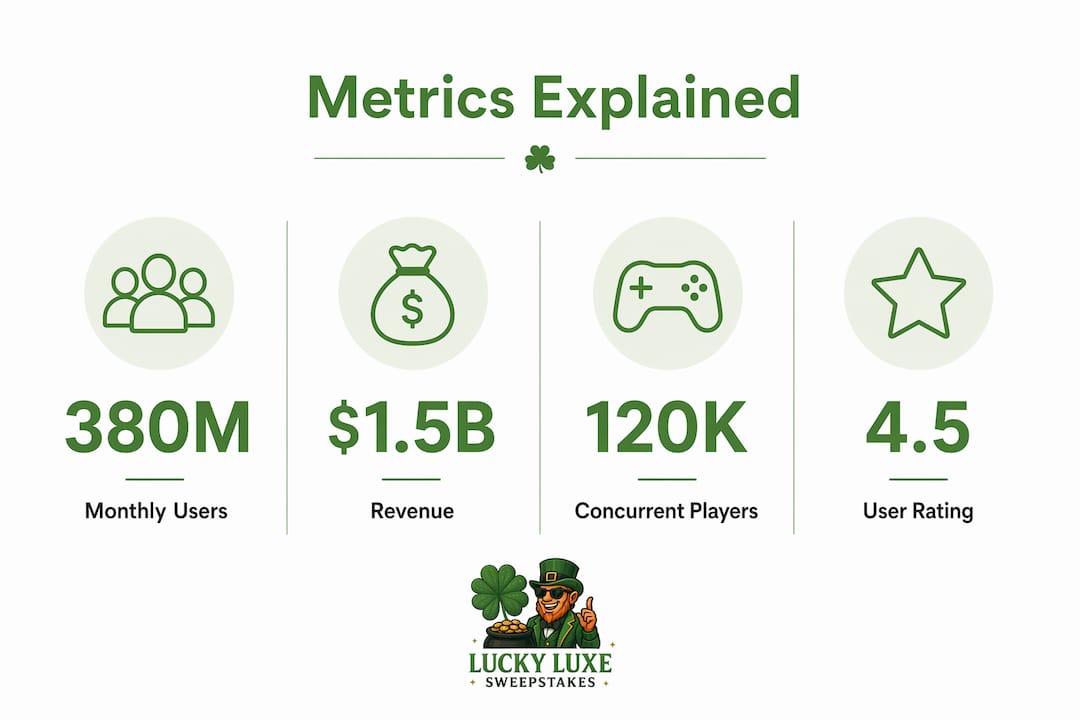
A hot games list is defined as a ranked index of popular games built from real engagement data, updated in near real-time to reflect what players are actually doing. The core metrics are monthly active users (MAU), daily active users (DAU), concurrent player counts, and revenue. Each metric tells a different story. MAU shows how many people return to a game over time. Concurrent players show peak demand at any given moment.
The lists are not static. Sales charts and player counts shift constantly, which means a title that ranked in the top 10 last week may drop significantly after a bad patch or a competitor's major release. That volatility is exactly why these lists exist as living tools rather than one-time snapshots.

Platform segmentation matters more than most players realize. Mobile and PC lists measure different things because their audiences behave differently. Mobile platforms prioritize in-app purchase revenue, while PC platforms weight engagement time and concurrent players more heavily. A game that dominates mobile revenue charts may not even appear on a PC engagement list.
Pro Tip: When you check a hot games list, always confirm which platform it covers. A mobile chart and a PC chart for the same week can look completely different.
| Metric | What it measures | Best for |
|---|---|---|
| Monthly active users | Total unique players in 30 days | Measuring long-term popularity |
| Concurrent players | Peak simultaneous players | Gauging real-time demand |
| Revenue ranking | In-app purchases and sales | Tracking monetization leaders |
| Daily active users | Unique players per day | Measuring daily engagement habits |
Why editorial curation makes hot games lists more useful
Raw data alone does not make a great list. A purely algorithmic ranking can miss indie gems with passionate but smaller communities. It can also overweight hype-driven titles that spike on launch day and collapse within two weeks. Combining player data with editorial voting produces lists that reflect genuine player interest rather than just noise.
Editorial filters add context that numbers cannot provide. A curated list tells you not just that a game is popular, but whether it launched recently, whether it is stable, and whether you should buy it now or wait for patches. That last distinction matters enormously for casual players who do not want to spend money on a buggy experience.
"The best hot games lists blend social media engagement, player feedback, and editorial judgment. That combination improves relevance and filters out titles that are trending for the wrong reasons, like controversy or refund drama."
The editorial layer also helps with categories. Top curated lists sort titles into buckets like "buy now," "wait for patches," and "wishlist." Those labels do the decision work for you. You do not need to read 40 reviews to figure out if a game is ready to play.
Purely editorial lists carry their own risk, though. Editor bias, genre preferences, and platform familiarity can skew results. The most reliable lists combine both approaches, using data as the foundation and editorial judgment as the filter. That balance is what separates a useful list from a marketing exercise.
How casual gamers can use hot games lists to find trending games
Using a hot games list well takes a small amount of strategy. Most players open a list, pick the top title, and stop there. That approach works sometimes, but it misses most of the value these lists offer.
- Check platform-specific lists first. A list built for mobile players will surface different current hot game titles than one built for PC or console. Match the list to the device you actually play on for more relevant results.
- Look at update frequency. A list refreshed weekly gives you a more accurate picture than one updated monthly. Regularly updated lists reflect changes in player interest and game stability far better than static rankings.
- Use the editorial categories. If a list labels a game as "wait for patches," take that seriously. Launching into a broken game wastes your time and money.
- Revisit lists after major patches. A game that ranked low due to bugs can jump significantly after a developer fixes core issues. Checking back after patch notes drop is one of the best ways to catch rising titles early.
- Cross-reference two or three lists. No single list is perfect. When a title appears on multiple independent hot lists simultaneously, that overlap is a strong signal of genuine popularity.
Pro Tip: Set a weekly reminder to check your preferred hot games list. Gaming trends shift fast, and a title's "hot" status can be transient by nature, lasting only a few weeks before something new takes its place.
Chasing hype blindly is the most common mistake casual players make. A game trending on social media is not the same as a game trending on a data-backed hot list. Social buzz can come from controversy, memes, or influencer deals. A hot games list backed by MAU and revenue data reflects what players are actually spending time and money on.
Understanding online gaming categories also helps you filter lists faster. If you know you prefer arcade-style games over open-world titles, you can skip entire sections of a trending list and zero in on what fits your taste.
What do current top trending games tell us about hot lists?
The top trending games in 2026 show exactly how hot lists reflect real player behavior. Roblox leads with 380 million MAU, followed by Candy Crush at 273 million MAU, Minecraft at 212 million MAU, and Free Fire at 130 million MAU. Those numbers are not just impressive. They show that cross-platform games with strong social features and low barriers to entry dominate the top spots consistently.
Mobile gaming now accounts for 49% of global gaming market revenue, generating $92 billion in 2026 despite flat download growth. That revenue concentration explains why mobile hot lists weight in-app purchase performance so heavily. A game with 50 million downloads but low IAP revenue will rank lower on a mobile hot list than a game with 20 million downloads and strong spending.
PC trends look different. Top PC titles include Counter-Strike 2, Minecraft, Roblox, Fortnite, and League of Legends. The top of the PC chart stays relatively stable, with movement happening mostly in the middle and lower ranks. HELLDIVERS 2 moved up 12 positions in recent rankings, showing how a strong content update can shift a game's standing quickly.
- Roblox: 380 million MAU, leads mobile with 129.7 million players and long session times
- Candy Crush: 273 million MAU, driven almost entirely by mobile IAP revenue
- Minecraft: 212 million MAU, strong across PC, mobile, and console
- Fortnite: Consistent top-five presence on both PC and console charts
- Free Fire: 130 million MAU, dominant in Southeast Asian mobile markets
The pattern across all these titles is consistency. None of them are flash-in-the-pan releases. They maintain their positions through regular content updates, strong community features, and cross-platform availability. When you see a game hold its spot on a hot list for three or more consecutive months, that is a signal of genuine staying power rather than launch hype.
Understanding featured games sections on gaming platforms gives you another layer of context. Those sections often pull directly from the same engagement data that powers hot games lists, giving you a curated view of what is performing well right now.
Key Takeaways
A hot games list is most useful when it combines real-time engagement data with editorial curation, giving casual players a reliable shortcut to the best games available right now.
| Point | Details |
|---|---|
| Definition of a hot games list | A ranked index of popular games built from MAU, revenue, and concurrent player data. |
| Platform segmentation matters | Mobile lists weight revenue; PC lists weight engagement. Always match the list to your platform. |
| Editorial curation adds value | Categories like "buy now" and "wait for patches" save time and prevent bad purchases. |
| Top games show staying power | Roblox, Minecraft, and Fortnite hold top spots through consistent updates, not just launch hype. |
| Revisit lists regularly | Hot status is transient. Weekly checks after patches give you the most accurate picture. |
Why I think most players underuse hot games lists
Hot games lists get treated like a novelty. Players glance at the top three titles, recognize names they already know, and move on. That is a waste of a genuinely useful tool.
The real value is not in the top spot. It is in the movement. A game that jumps 12 positions in a week, like HELLDIVERS 2 did on the PC chart, tells you something important: a developer just made a significant improvement, and the player base responded. That kind of signal is invisible if you only look at the number-one slot.
I have also noticed that casual players tend to distrust lists they do not recognize. They assume a hot games list is just advertising dressed up as data. That skepticism is healthy, but it goes too far when it stops players from using lists that genuinely blend data with editorial oversight. The GamesRadar+ Hot 25 model, which combines social engagement with editor voting, is a good example of a list that earns its credibility.
The other thing most players miss is the "wait" category. Buying a game on launch day because it is trending is one of the most reliable ways to have a bad experience. A list that tells you to wait two weeks for patches is doing you a real favor. Use that guidance. Your time and money are worth protecting.
Hot games lists work best as an ongoing habit, not a one-time check. Bookmark two or three lists that cover your platform, check them weekly, and pay attention to movement rather than just position. That habit will improve your gaming decisions more than any single recommendation ever could.
— Skyline
Luckyluxe keeps your hot games picks current
Luckyluxe updates its hot games highlights regularly, surfacing the most popular slots, fishing games, and arcade titles based on real player activity. The platform's game discovery features are built for casual players who want clear recommendations without digging through hundreds of options.
Luckyluxe also offers a referral program and dedicated support resources, so you get more than just a list. You get a full gaming experience backed by fair play and quality graphics. Check gaming site features on the Luckyluxe blog to see how the platform's curated picks align with the advice in this article. The hot games section updates frequently, so every visit gives you a fresh look at what is worth playing right now.
FAQ
What is a hot games list?
A hot games list is a curated or real-time ranking of currently popular video games, built from metrics like monthly active users, concurrent players, and revenue. It helps players identify trending and stable titles worth playing right now.
How often do hot games lists update?
The best lists update weekly or after major game patches to reflect current player interest and game stability. Static monthly lists are less reliable for tracking fast-moving trends.
Why do mobile and PC hot games lists look different?
Mobile lists prioritize in-app purchase revenue, while PC lists weight engagement and concurrent player counts. The same game can rank very differently depending on which platform's metrics are used.
Can I trust a hot games list to avoid bad game purchases?
Lists that include editorial categories like "buy now" and "wait for patches" are the most reliable for avoiding buggy or unfinished experiences. Pure data lists without editorial context can miss important quality signals.
What games consistently top hot games lists in 2026?
Roblox leads with 380 million MAU, followed by Candy Crush at 273 million MAU and Minecraft at 212 million MAU. These titles hold their positions through regular updates and strong cross-platform communities.